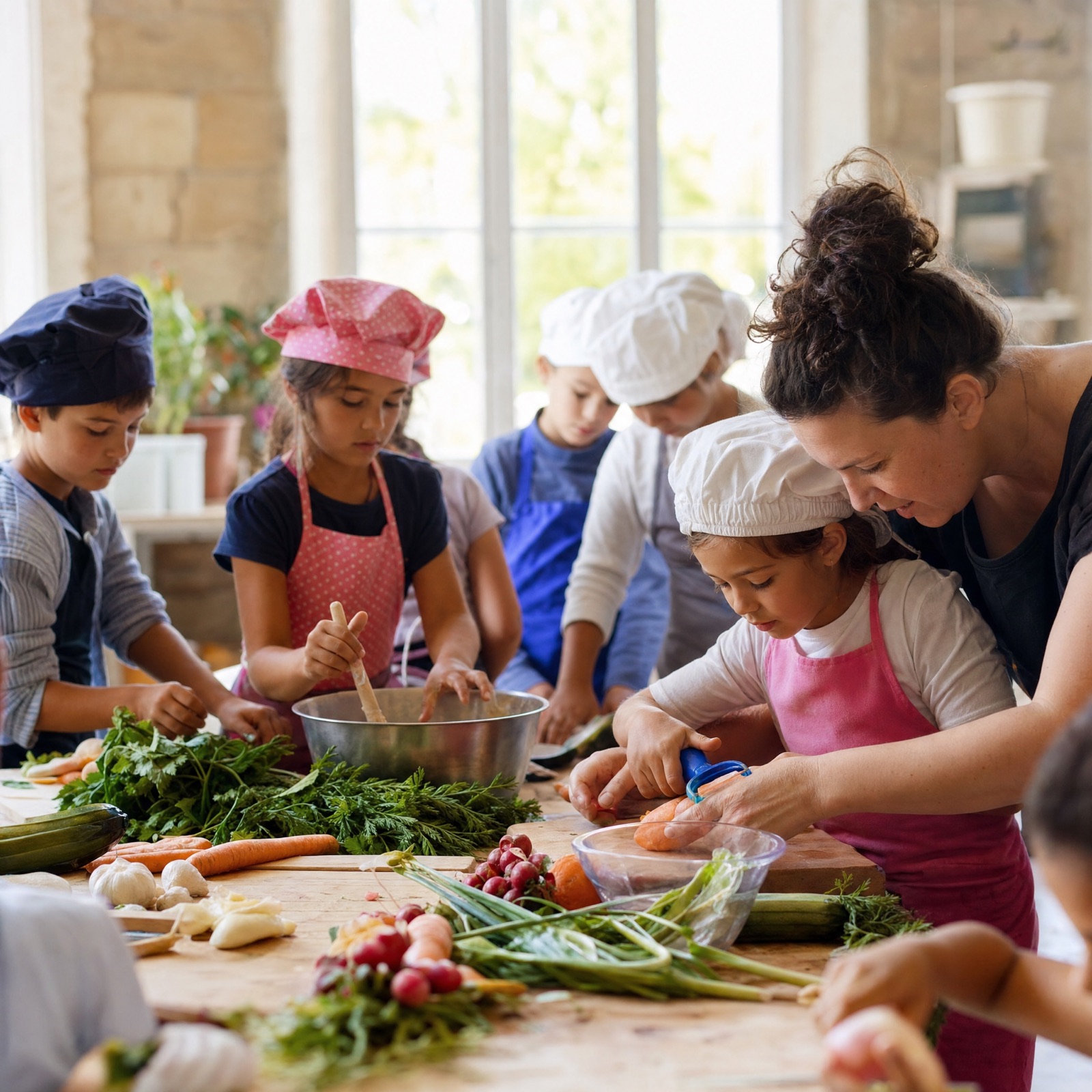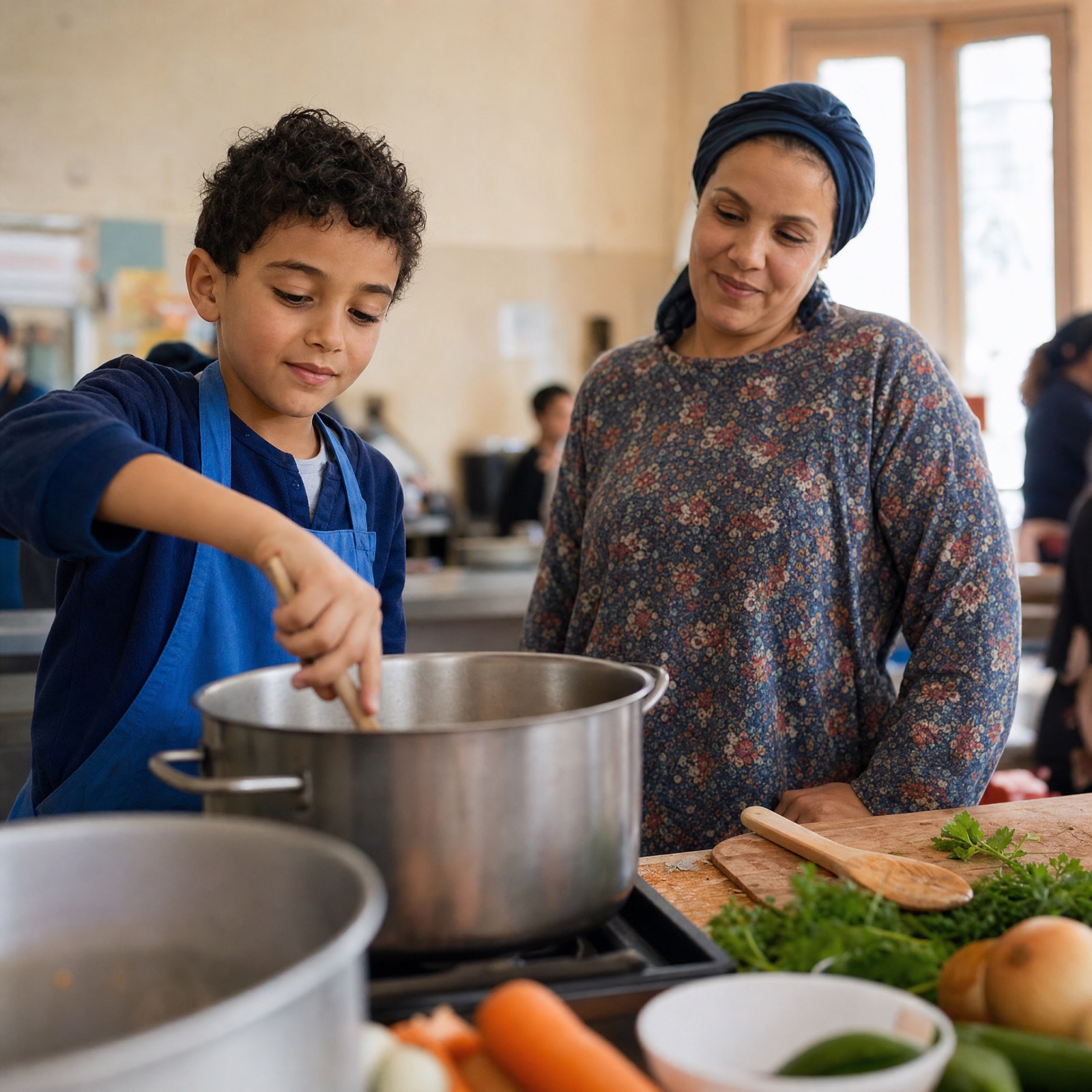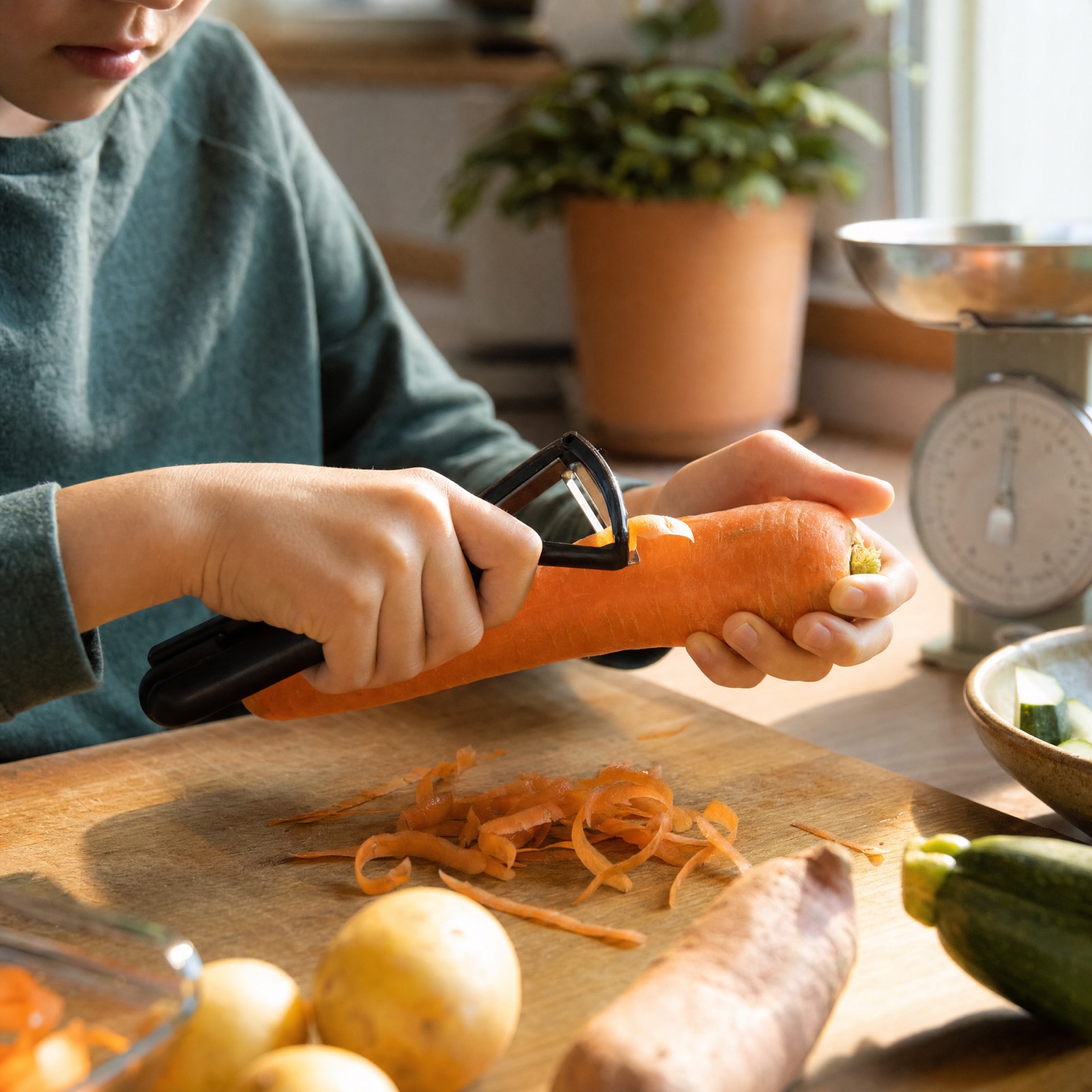
When parents first bring their children to our workshops, they often arrive with a notebook. They have already read the food-allergy blogs and the forums; they have already tried and failed at gluten-free cakes that crumbled on the cooling rack and egg-free meringues that refused to stiffen. What they are looking for, more than recipes, is understanding — a grasp of the underlying principles that will let them improvise confidently in their own kitchens, rather than feeling trapped inside a rigid substitution list.
Over three years of workshops in Reims, adapting classic Champenoise recipes for children with allergies, our team of volunteer pastry educators and dietitians has accumulated a body of practical knowledge that no single textbook quite captures. Here are the five lessons we return to most often.
Structure and moisture are separate problems. In conventional baking, gluten provides structure and eggs provide both structure and moisture. Remove both and you have two separate gaps to fill, not one. A rice-flour base needs a binding agent — psyllium husk or chia gel work well — to replace gluten's elasticity, and a separate moisture source such as mashed banana, apple purée, or extra fat to prevent dryness. Trying to solve both gaps with a single "universal" egg replacer rarely works well.
Aquafaba is a technique, not a shortcut. The liquid from tinned chickpeas can be whipped to stiff peaks and behaves remarkably like egg white in many applications, including our biscuit rose. But it rewards careful handling: chill the liquid before whipping, add a pinch of cream of tartar to stabilise the foam, and work quickly once peaks form. Children in our workshops learn this as a genuine skill, and the pride on their faces when they achieve stiff peaks for the first time is something our educators never tire of.

Calibrate your oven — do not trust it. Allergen-free batters often brown faster on the outside while remaining underdone at the centre, because they conduct heat differently from wheat-based doughs. An oven thermometer costs less than ten euros and eliminates one of the most common sources of failure in home allergen-free baking. We recommend checking your oven's actual temperature before any delicate bake.
Label everything in a shared kitchen. Cross-contamination — shared utensils, shared surfaces, airborne flour dust — is a real and serious risk for children with severe allergies. We teach our young bakers to work from a designated clean zone on the worktop, to use colour-coded utensils, and to check that packaging has been unopened before use. These habits, practised in our workshop environment, transfer directly to home kitchens and school cooking classes.
Celebrate failure explicitly. The batch that spreads too flat, the macaron that weeps, the financier that sticks — these are not disasters, they are data. We have a wall in our workshop covered in laminated cards contributed by children and educators alike, each one explaining what went wrong and why. Normalising failure as part of the learning process matters especially for children with allergies, who often feel that mistakes at the table carry stakes that other children's mistakes do not. A biscuit that doesn't work is just a biscuit. You make another one, and next time you know more.
If you would like to try our adapted biscuit rose recipe at home, you can download the family version from this website. It is written for children aged six and up to follow with adult supervision at the oven, and we update it seasonally — the autumn edition uses a small amount of chestnut flour for depth of flavour and has become a firm favourite with families across the Marne.